

- Carl Sagan
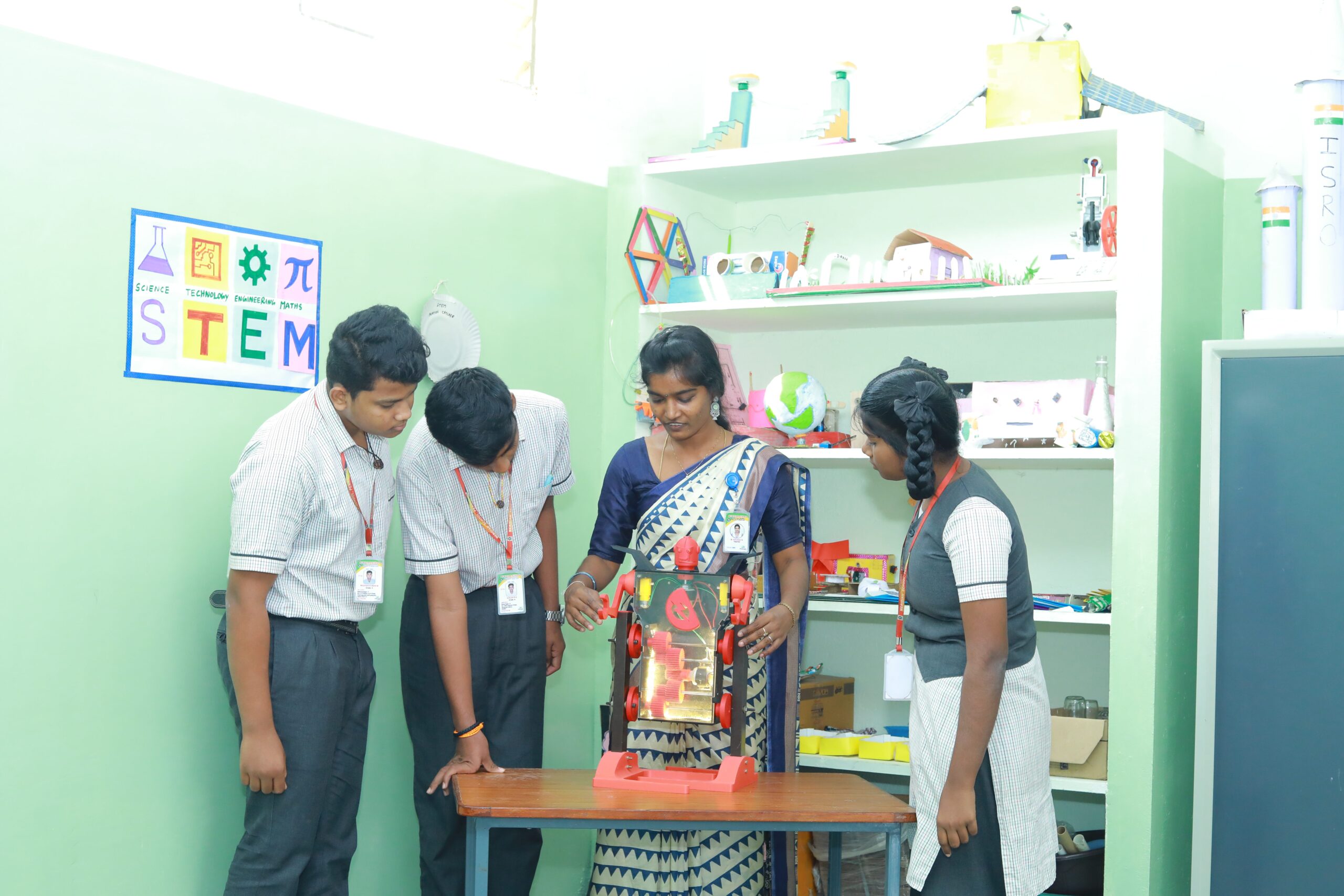
At Meridian School, curiosity doesn't end at the classroom door. Step into the Science Club, and you’ll find young minds questioning, experimenting, and discovering the wonders of the world around them. Whether it’s building a volcano, exploring robotics, or debating climate change, the Science Club is where science becomes a hands-on, minds-on experience.

The Science Club at Meridian School is a vibrant student-led community where budding scientists come together to explore topics beyond the syllabus. Open to students from Grades 6 to 10, the club meets weekly and encourages learning through experiments, discussions, fieldwork, and innovation.
The goal is to nurture curiosity, promote scientific thinking, and show that science is not just a subject but it’s a way of seeing and shaping the world.
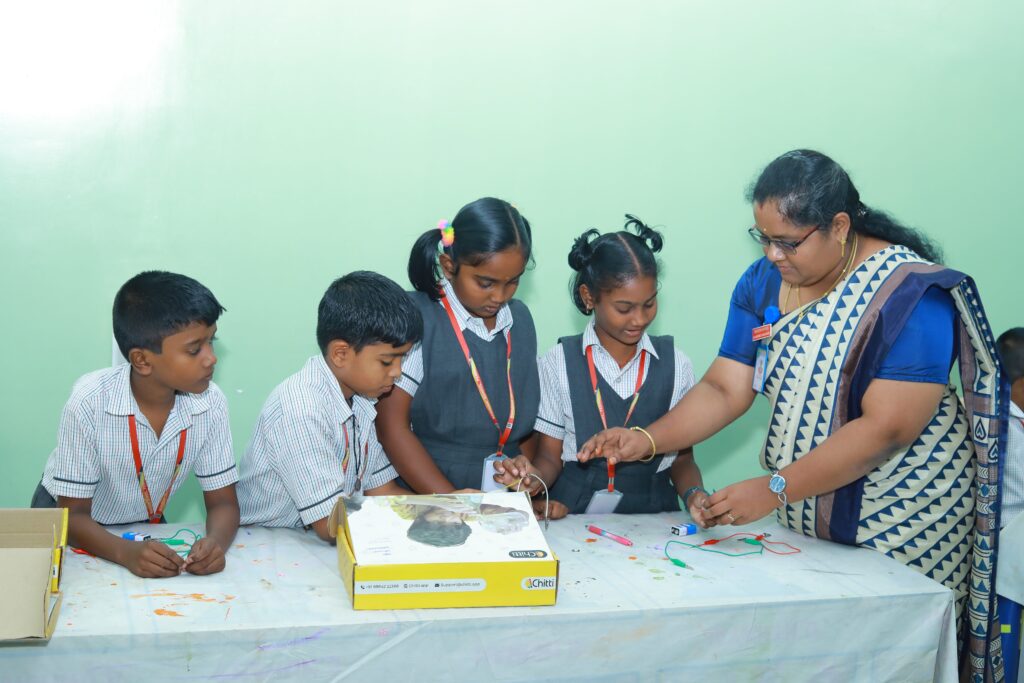
Science Club sessions are packed with engaging and interactive activities. Each session is themed and designed to challenge students’ thinking and creativity.
From making lava lamps and invisible ink to testing air pressure with balloons, students conduct safe, hands-on experiments using everyday materials.
Build a bridge with straws. Create a working water filter. Design a catapult. Solve a problem with science!
“Should we colonize Mars?” “Are genetically modified organisms (GMOs) good or bad?” Students discuss real-world science issues, building both their knowledge and public speaking skills.
Exploring how science works in everyday life from kitchen chemistry to physics in sports.
Nature walks, weather observations, soil testing, or virtual tours of space labs and observatories.
Meridian’s Science Club actively participates in school-wide and external events like:
Students showcase their own projects models, experiments, and research often impressing judges with their creativity and scientific approach.
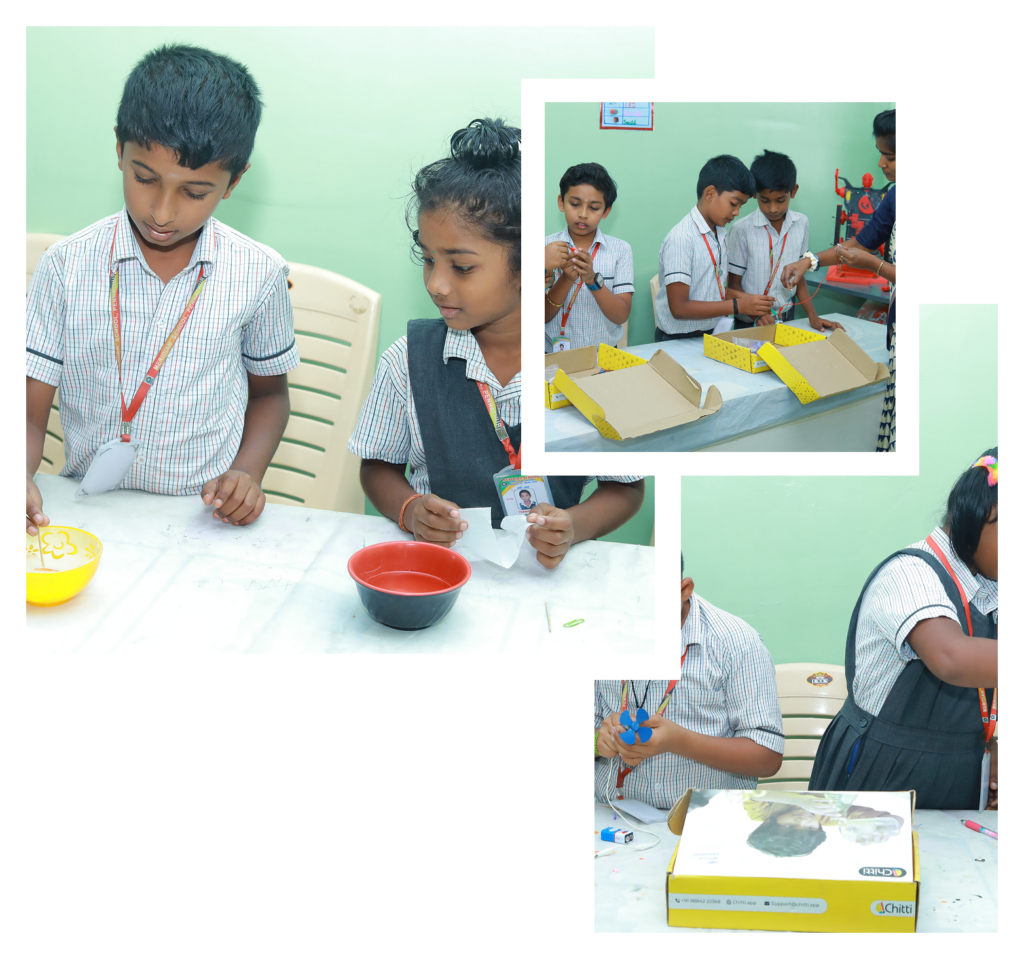
More than just facts, students learn how to think like scientists: observe, ask questions, test, and reflect.
“I love making things with my hands — Science Club lets me build and test my ideas.”- Sahasra Grade-8

“Science Club made me realize I want to be an engineer someday.”_ Sabari Grade-9


“Learning Today, Leading Tomorrow.”